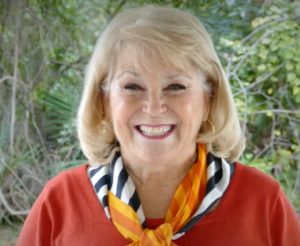
For millions of television viewers across the United States, the golden era of family programming was shaped not only by timeless storytelling but by the unforgettable presence of the young actors who brought those stories to life. Among the most beloved was Lauren Chapin, whose role as Kathy “Kitten” Anderson on Father Knows Best turned her into an enduring symbol of innocence, warmth, and the promise of youth. As the entertainment world reflects on her extraordinary life and legacy, her journey stands as a powerful testament to resilience, growth, and the lasting influence of early television icons.
Chapin’s rise to fame began in the 1950s, when television was still new enough to feel magical and familiar enough to become a staple in American households. Born into an era of expanding entertainment opportunities for children, she made her first appearances in films and early TV programs at a time when family-centered stories dominated the airwaves. Hollywood recognized her natural charm almost instantly. Her expressive face, earnest delivery, and unmistakable presence led to roles alongside prominent performers of the time, including in A Star Is Born and guest spots on Lux Video Theatre.
But it was Father Knows Best, premiering on NBC and later ABC, that would change the trajectory of her life. As the youngest daughter in the Anderson family, Chapin helped define the cultural landscape of 1950s American television. The series portrayed a wholesome, idealized version of suburban life—one that generations of audiences would later revisit with nostalgia. Families saw in Kathy Anderson the embodiment of spirited youth: sweet, curious, sometimes mischievous, but always lovable. Chapin’s portrayal became so embedded in the show’s identity that even decades after its final episode, she remains closely linked to the character who made her famous.
Behind the scenes, however, life was not as idyllic as the television world she inhabited. Like many child stars, Chapin grappled with pressures and personal struggles that rarely made headlines during the era in which she worked. Hollywood studios were not always equipped to provide emotional support for young performers, and many children in the industry faced challenges that stayed hidden from public view. Chapin later spoke openly about the difficulties she encountered—sharing, with remarkable honesty, the hardships of navigating childhood in the spotlight. By choosing transparency over secrecy, she became both a voice for those who had lived similar experiences and a source of comfort for fans who admired her courage.
Her adult years were marked by profound transformation. After facing turbulence in her early life, including struggles with addiction and the search for stability, Chapin made the courageous decision to seek recovery. Her path to sobriety became the cornerstone of a new chapter—one defined not by fame but by purpose. She embraced opportunities to mentor others, especially young performers facing pressures she understood intimately. Her willingness to share her story created a bridge for damaged hearts and uncertain spirits, offering hope through her example of resilience.
Chapin’s transition into advocacy was not an abandonment of her past but an expansion of it. She recognized that her experiences, painful as some were, gave her a unique ability to guide others. She taught acting classes, mentored at-risk youth, and spoke candidly at events about the realities of early success and the importance of emotional healing. Her honesty resonated deeply, especially in an industry that often preferred to maintain polished illusions rather than acknowledge difficult truths.
Her influence extended beyond classrooms and counseling sessions. Over the years, Chapin crossed paths with many aspiring performers—some of whom would go on to become award-winning actors themselves. Several credited her with offering encouragement when they needed it most. In working with new generations, she embodied the compassion and warmth that once captured the hearts of television audiences. Those who worked with her later in life often described her not as a celebrity, but as a mentor, a listener, and a guiding light.
Even as she continued to help others, Chapin never shied away from celebrating her roots in the entertainment world. She participated in reunion events, fan conventions, and interviews that allowed audiences to reconnect with the classic era of television. Her reflections on Father Knows Best were always filled with gratitude—not for the fame it gave her, but for the ways it allowed her to connect with people across more than half a century. To her, the show’s legacy was its ability to bring families together, offering comfort, consistency, and an image of hope during times of cultural uncertainty.
Reruns, streaming platforms, and television retrospectives introduced her work to entirely new audiences who had not been alive when the show originally aired. Children who grew up in the 1980s, 1990s, and even the early 2000s found joy in her performances, proving that the emotional authenticity she brought to her role had endured. Chapin often expressed amazement at how far-reaching the show became, marveling that something filmed in a different era could still touch hearts decades later.
Her life outside Hollywood was equally rich. She built close relationships with family and friends, pursued personal passions, and embraced the possibility of renewal at every stage of life. Those who knew her best often spoke of her deep empathy—an ability to understand and support others that grew not in spite of her adversity but because of it. She demonstrated that reinvention is always possible, and that one’s truest legacy is not defined by early fame but by the lives touched along the way.
Throughout her life, Chapin continued to remind others that child stardom is not a complete or permanent identity. She encouraged former performers to seek paths that brought them meaning beyond the screen. She also used her story to advocate for better protections and emotional support for young actors entering the industry. Her experiences became a catalyst for conversations about mental health, boundary setting, and the need for compassionate adult guidance in entertainment.
Today, as fans look back on her career and her journey, they do so with profound admiration. Lauren Chapin’s legacy is not static—it continues to evolve through the people she inspired, the actors she mentored, and the hearts she touched with her honesty. She remains a symbol of classic American television, but also of something far more powerful: the strength of a person who chooses growth, healing, and generosity after hardship.
Her life reminds us that behind every memorable childhood performance is a human being with dreams, vulnerabilities, and the potential for transformation. Chapin embraced all chapters of her story—both the celebrated and the difficult—and turned them into something meaningful. That, in the end, is what makes her journey extraordinary.
From Father Knows Best to her roles in early Hollywood productions, from her personal struggles to her brave recovery, and from her mentoring of rising talents to her impact on countless fans, Lauren Chapin’s story will continue to resonate for decades to come. It stands as a living example of resilience, compassion, and the ability to find purpose long after the spotlight fades.
Her journey shows that true legacy is measured not by fame but by heart. And by that measure, Lauren Chapin remains one of television’s most cherished and inspiring icons.